Taiwan's PIF Exclusion: Geopolitics and Pacific Regional Unity
The debate surrounding
pif taiwan membership has recently ignited a complex geopolitical discussion, exposing the delicate balance of regional diplomacy and development in the Pacific. For decades, Taiwan has been a consistent and significant contributor to the Pacific Islands Forum (PIF), the region's premier political and economic policy organization. However, a recent decision by the Solomon Islands, host of the upcoming 54th Leaders Meeting, to exclude Taiwan as a "dialogue and development partner" has sent ripples through the international community. This move not only challenges long-standing agreements but also highlights the increasing influence of geopolitical rivalries, particularly between China and the United States, in a region critical for a free and open Indo-Pacific.
A Legacy of Partnership: Taiwan's Enduring Role in the Pacific
Taiwan's engagement with the Pacific Islands Forum dates back to 1993, when it was formally welcomed as a Dialogue Partner. This status allowed Taiwan to attend annual Leaders Meetings, fostering crucial discussions and collaborative efforts on regional priorities. Over the past three decades, Taiwan has consistently demonstrated its commitment to the development and well-being of Pacific Island nations. Its contributions have spanned various sectors, from agriculture and fisheries to healthcare, education, and climate change resilience – issues of paramount importance to the low-lying island states.
A tangible example of this dedication came in June 2023, when Taiwan provided a significant USD $2 million boost to the PIF. This funding was specifically earmarked for critical initiatives, including the coordination and management of cooperation activities under the ambitious
2050 Strategy for a Blue Pacific Continent, regional governance enhancements, and vital training programs. As Deputy Secretary General of the Pacific Islands Forum, Dr. Filimon Manoni, acknowledged, such assistance is instrumental in responding to the development priorities articulated in their collective vision. Mr. Joseph Chow, Representative of Taiwan’s Trade Office to Fiji, underscored Taiwan's "unwavering dedication to the progress of Pacific Island countries," reaffirming a partnership built on shared goals and mutual respect.
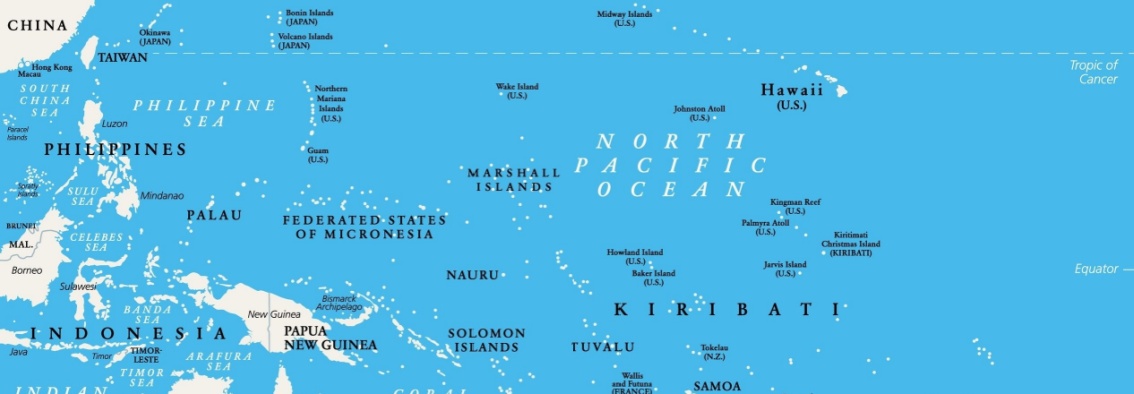
Despite its long history of engagement and substantial contributions, Taiwan's diplomatic footprint within the PIF has diminished over the years. Of the 18 PIF member states, only three – the Marshall Islands, Palau, and Tuvalu – currently maintain formal diplomatic ties with Taiwan. This evolving diplomatic landscape, influenced by global power dynamics, forms a critical backdrop to the recent exclusion decision. For a deeper dive into Taiwan's specific contributions and the challenges it faces, read our related article:
Taiwan's PIF Contributions & Uncertain Future: A Pacific Challenge.
Geopolitical Crosscurrents: The China Factor and Solomon Islands' Influence
The decision to exclude Taiwan from the 2025 PIF Leaders Meeting is inextricably linked to the shifting geopolitical sands in the Pacific, with China's growing presence being a primary catalyst. In 2019, the Solomon Islands broke off diplomatic ties with Taiwan in favor of establishing relations with Beijing, a move that significantly altered the regional diplomatic calculus. Since then, media reports have consistently suggested that the Solomon Islands, as the upcoming host, would likely seek to exclude Taiwan from the forum, largely due to perceived pressure from China.
Solomon Islands Prime Minister Jeremiah Manele confirmed these speculations earlier this month, stating that only the 18 PIF member states, including Australia and New Zealand, would attend the 54th Leaders Meeting in Honiara on September 25. Notably, donor countries such as Taiwan, the U.S., and China itself were also stated as not being invited, creating an optics of even-handedness while effectively sidelining Taiwan. This decision, however, directly contradicts the established precedent of allowing dialogue partners to attend, a practice agreed upon by PIF leaders as far back as 1992.
The United States, a founding PIF Dialogue Partner, quickly expressed its disappointment over the Solomon Islands’ decision. A State Department spokesperson reiterated U.S. support for "the continued attendance of all PIF partners, including Taiwan, at the annual PIF Leaders Meeting, as previously agreed by PIF leaders in 1992." This stance reflects Washington's broader commitment to a "free and open Indo-Pacific region" and its deepening partnerships with the PIF to counter what it views as coercive actions by China. The increasing competition for influence between Beijing and Washington has transformed regional forums like the PIF into critical battlegrounds for diplomatic sway, often placing smaller island nations in difficult positions. For more on the US reaction to this development, see:
US Decries Taiwan's PIF Ouster Amid Solomon Islands' China Shift.
Upholding Regional Unity: The PIF's Foundational Principles and External Reactions
The Pacific Islands Forum stands as the most vital regional organization for Oceania, providing a unique platform for member countries to forge communal decisions on crucial regional and international issues. Its annual Leaders Meeting is the premiere decision-making venue, where consensus on matters ranging from climate change and maritime sovereignty to economic development are formed and subsequently presented in international fora like the United Nations General Assembly. The integrity of its decision-making process and the consistency of its engagement protocols are therefore paramount to its effectiveness and credibility.
The exclusion of Taiwan, a long-standing partner, directly challenges the "long-standing approach" of allowing global partners to attend and discuss regional priorities, as affirmed by a New Zealand Ministry of Foreign Affairs and Trade spokesperson. This established norm, rooted in the 1992 agreement, ensures a broader array of perspectives and resources contribute to regional development. In Taipei, Taiwan's Ministry of Foreign Affairs appealed to the PIF to "maintain its existing arrangements" and permit Taiwan's participation as a "development partner."
Disrupting such fundamental attendance protocols risks undermining the very unity and cohesion the PIF strives to maintain. If host nations can unilaterally alter established norms based on external pressures or shifting diplomatic allegiances, it could set a dangerous precedent, potentially fragmenting the forum's collective voice and making it harder for the Pacific to present a united front on global issues. Maintaining the inclusiveness of the dialogue partner model allows the PIF to leverage diverse international support for its strategic goals, making the current situation a test of its foundational principles.
Navigating the Future: Implications for PIF and Taiwan
The immediate implications of Taiwan's exclusion from the 2025 PIF Leaders Meeting are multifaceted. For the PIF, while some might argue for a more exclusive "members-only" focus, such a move risks isolating the forum from valuable development assistance and diverse perspectives crucial for tackling complex regional challenges. Taiwan's financial contributions, particularly to the 2050 Strategy for a Blue Pacific Continent, are not easily replaced, and their absence could create significant funding gaps for vital projects. The precedent set by this exclusion could also deter other potential dialogue partners from investing deeply in the region if their participation is subject to sudden, geopolitically motivated changes.
For Taiwan, this exclusion represents a significant diplomatic setback, yet it also presents an opportunity for strategic re-evaluation. While direct participation in the Leaders Meeting is crucial for visibility and multilateral engagement, Taiwan can continue to foster strong bilateral relationships with its remaining diplomatic allies – Marshall Islands, Palau, and Tuvalu – and even other PIF members who value its development assistance.
Practical tips for navigating this complex landscape include:
- For the PIF: Reaffirming and consistently upholding clear, transparent guidelines for dialogue partner engagement, independent of host nation diplomatic shifts, is crucial for maintaining regional unity and credibility. Diversifying funding sources and clearly articulating the value of all partners can also strengthen its position.
- For Taiwan: Explore alternative avenues for regional engagement, such as supporting specialized climate change initiatives through non-governmental organizations, focusing on direct bilateral aid programs with receptive nations, or engaging in "track-two" diplomacy through academic and cultural exchanges. Leveraging its expertise in areas like sustainable agriculture and disaster preparedness, which are universally beneficial, can also help maintain influence.
The long-term health of the PIF relies on its ability to balance the interests of its members with the benefits of external partnerships. While internal cohesion is vital, shutting out established partners like Taiwan carries the risk of diminishing the forum's resources, limiting its global reach, and ultimately, hindering its ability to achieve its ambitious regional development goals.
Conclusion
The controversy surrounding Taiwan's exclusion from the Pacific Islands Forum Leaders Meeting in 2025 underscores the intense geopolitical pressures currently reshaping the Indo-Pacific. While the Solomon Islands' decision is understandable within the context of its diplomatic shift to Beijing, it challenges the PIF's long-standing approach to partner engagement and raises concerns about regional unity and the forum's ability to act independently of external influence. Taiwan's three-decade legacy of significant contributions to Pacific development highlights the real cost of its potential marginalization. As the region navigates these complex dynamics, maintaining the principles of open dialogue and inclusive partnership will be crucial for the PIF to effectively address its pressing challenges and preserve its role as the authoritative voice for the Blue Pacific Continent. The future of
pif taiwan membership remains uncertain, but its implications for regional governance and collaboration are undeniable.